High strength
Highly resistant to tensile, bending and impact loads.

What we make possible
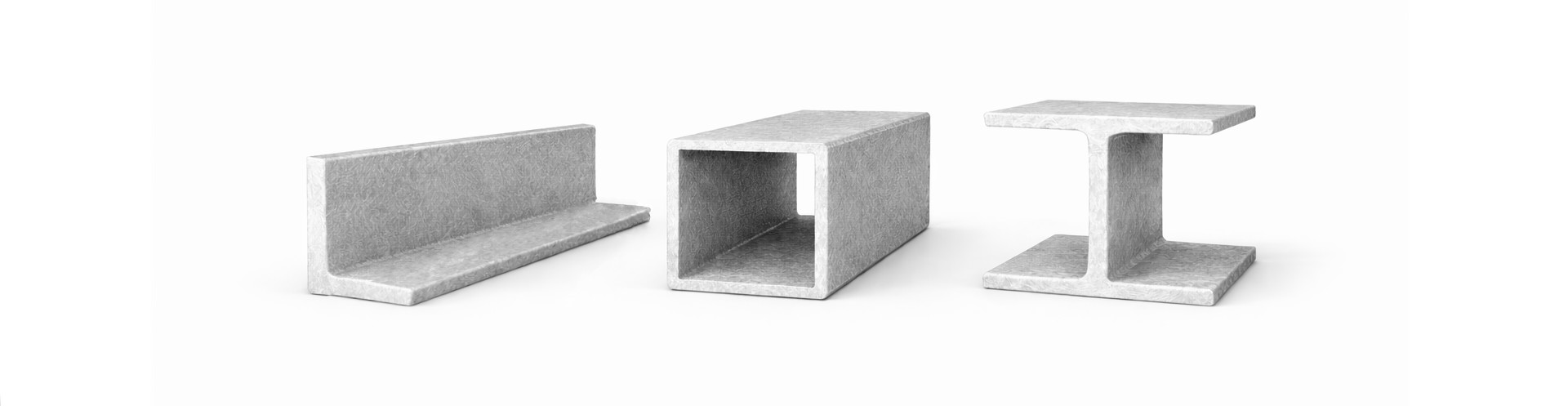
Our GRP profiles, manufactured in Europe from glass fibre-reinforced composites, are characterised by their durability and high corrosion resistance, and represent a cost-effective alternative to conventional materials such as concrete, timber, stainless steel and aluminium. The wide range of applications for our GRP profiles spans a diverse array of sectors and industries. Whether for offshore applications, rail systems, the chemical industry or other infrastructure facilities – our profiles offer flexible solutions to complex challenges.
View all solutions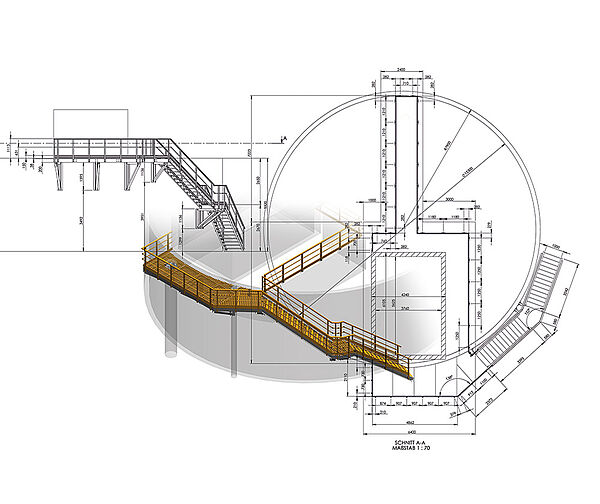
Products & Solutions
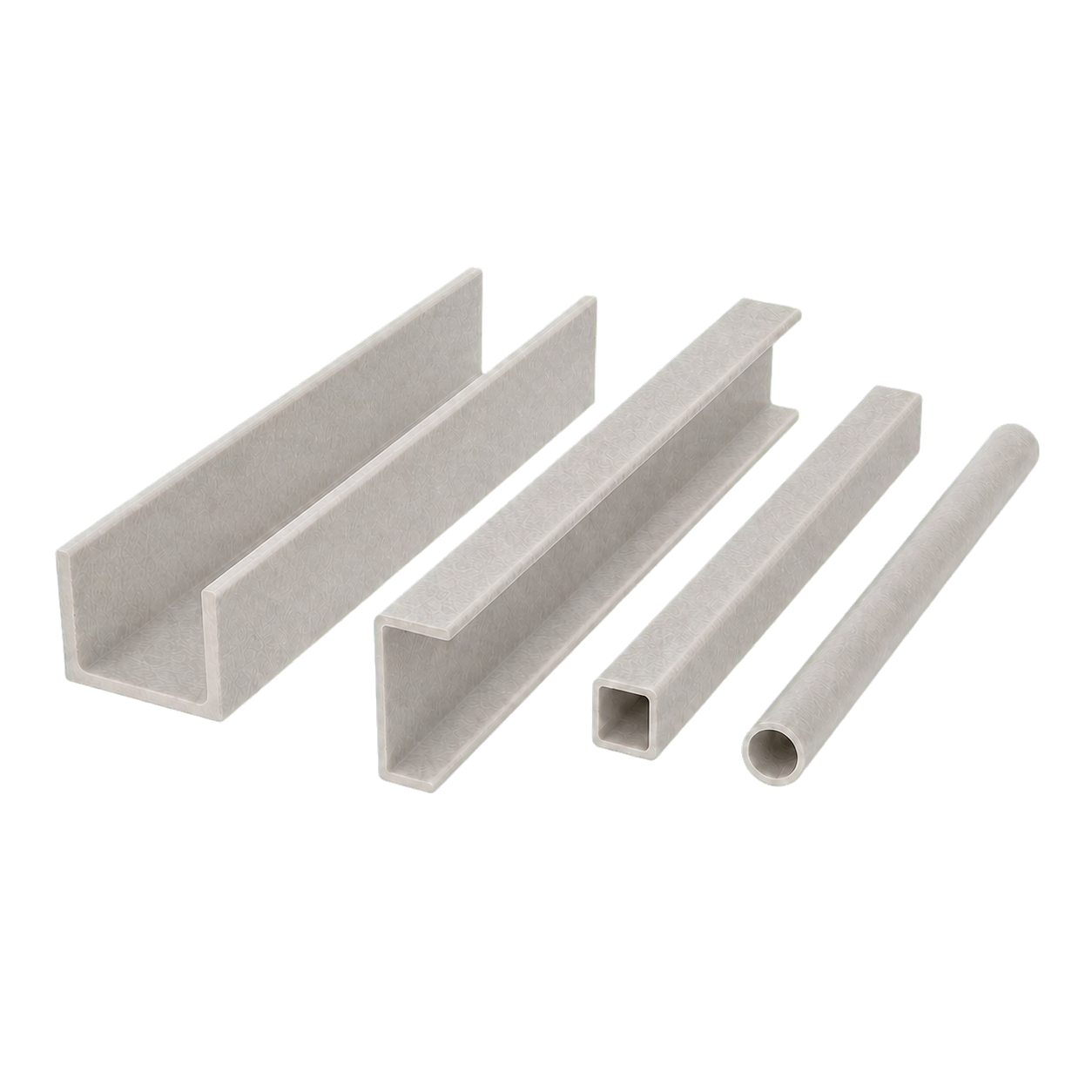
Discover our comprehensive range of GRP profiles for a wide variety of applications and industries.
Products & Solutions
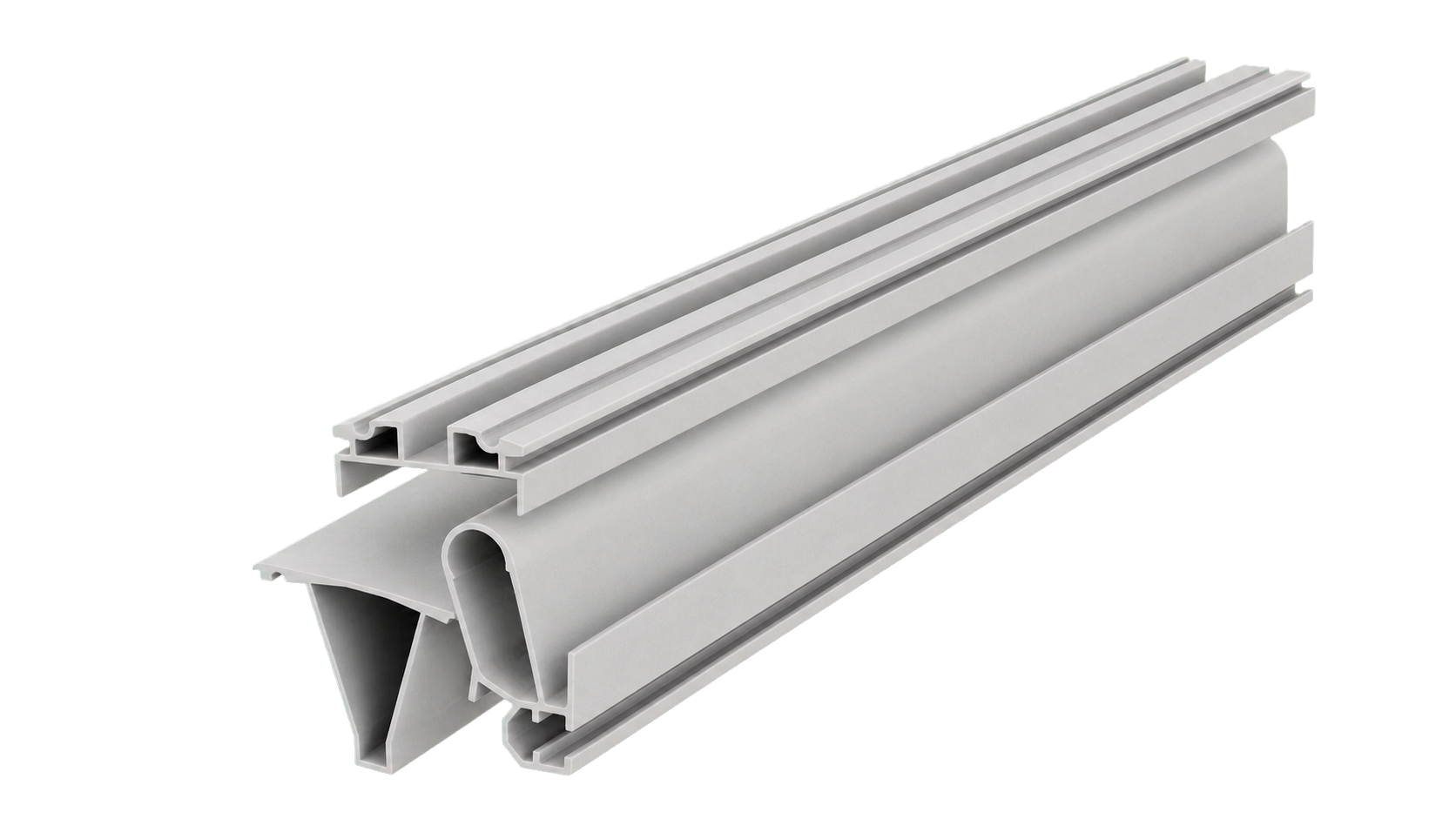
Further profile shapes and system solutions for a range of technical requirements.
Products & Solutions
Complementary products and services relating to GRP profiles.
Find out more
Find out more
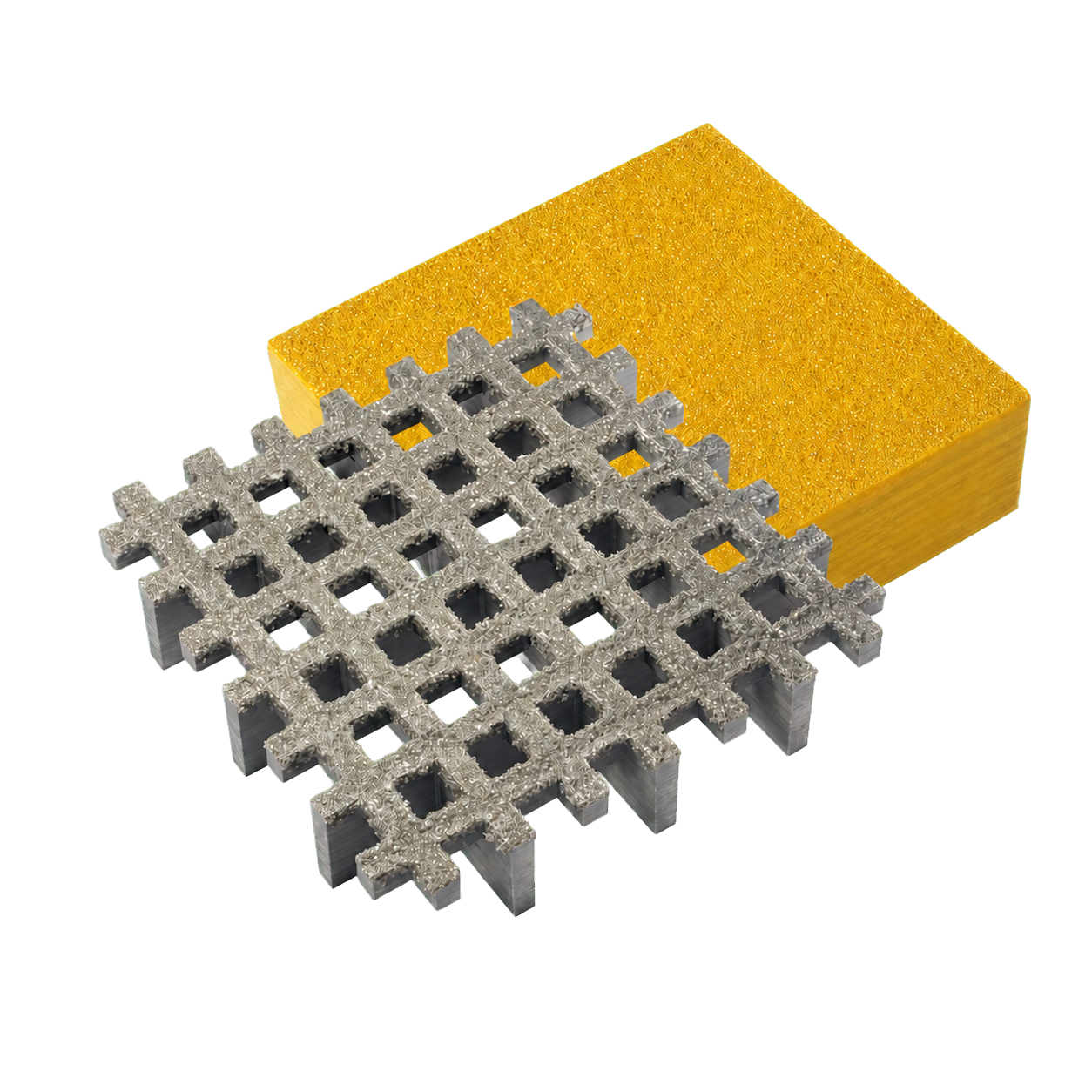
Find out more
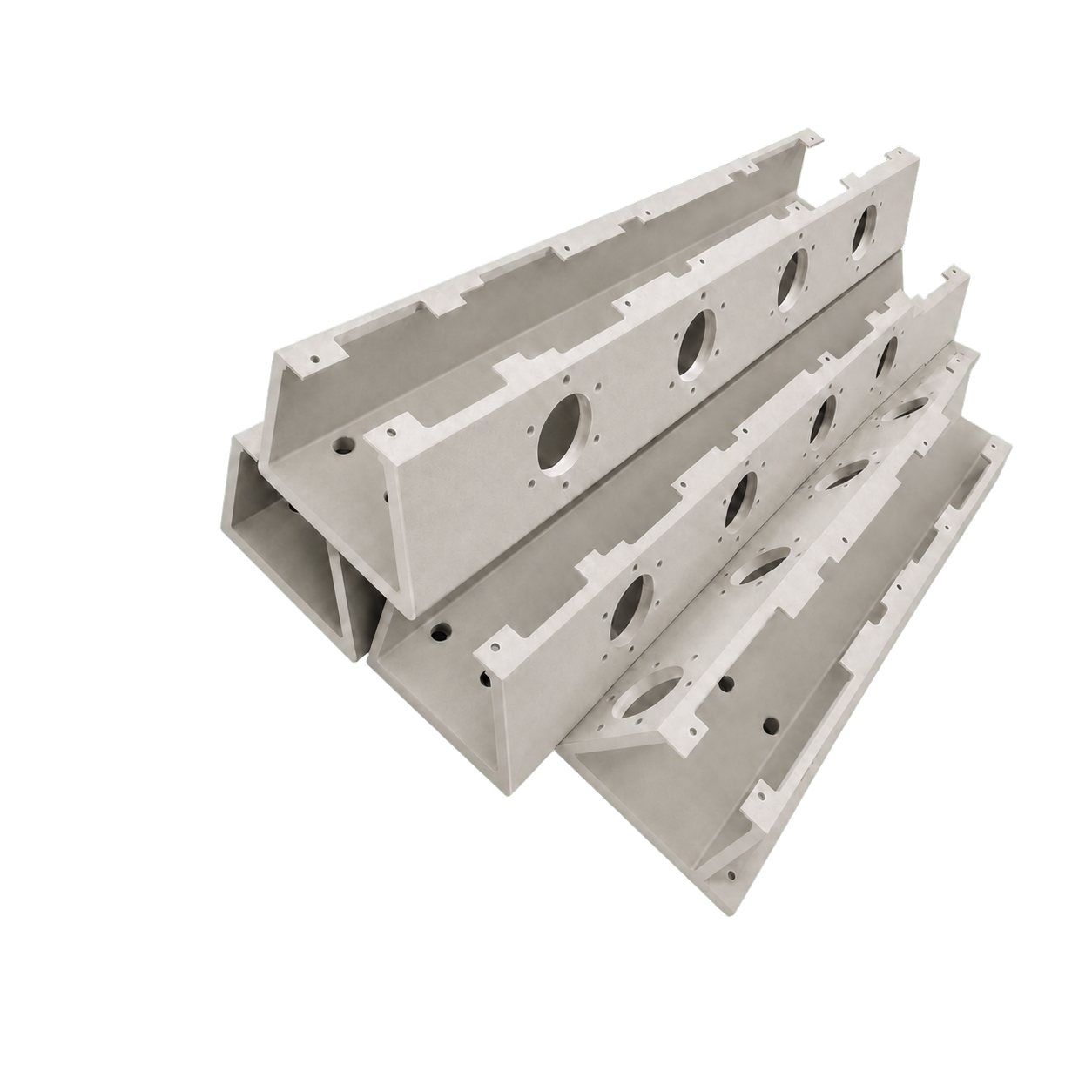
Find out more
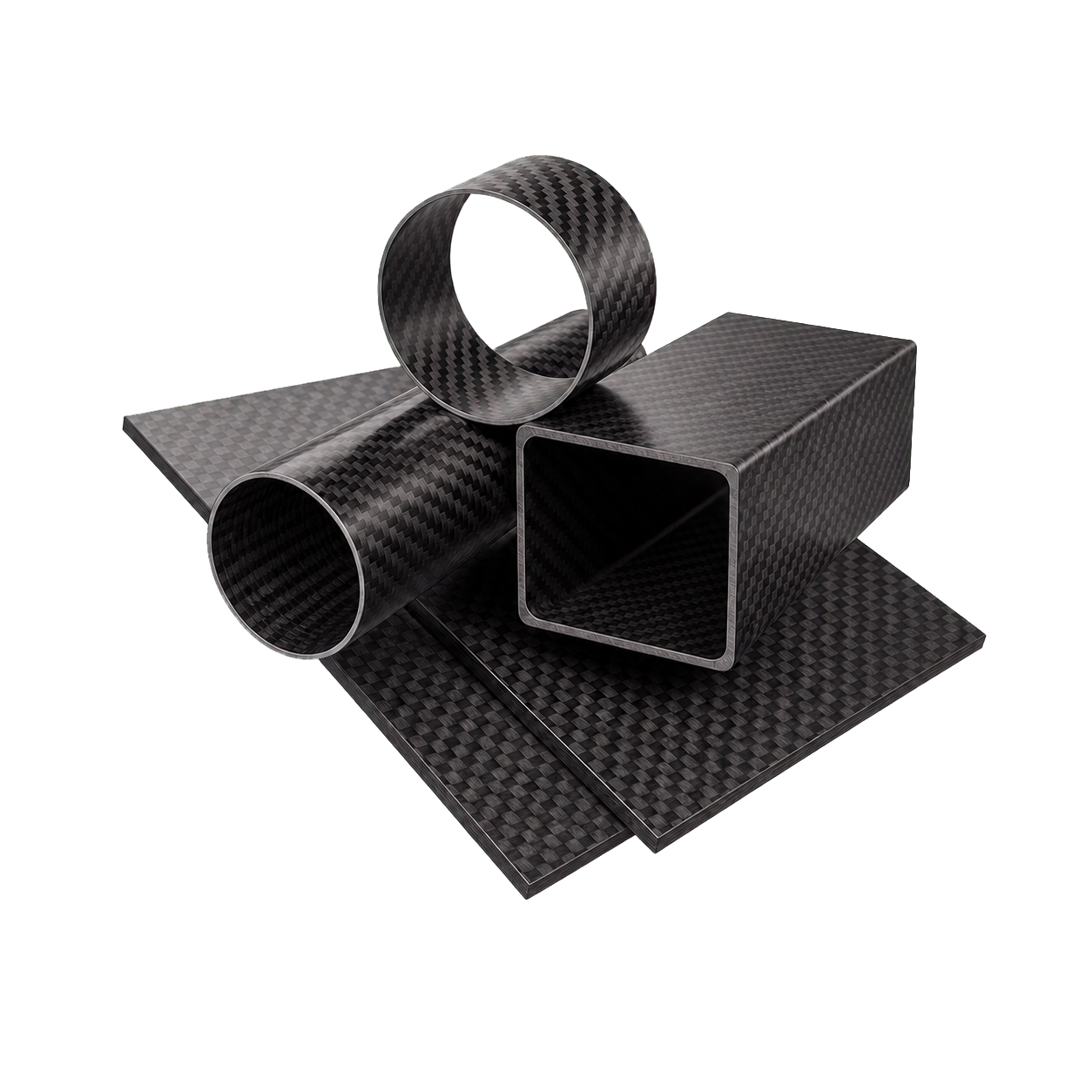
Find out more
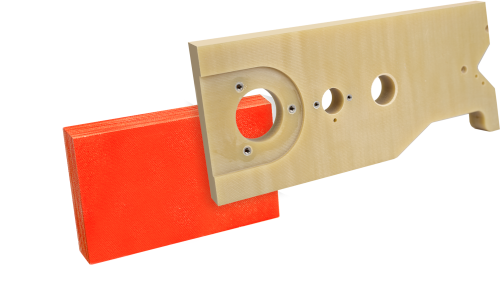
Find out more
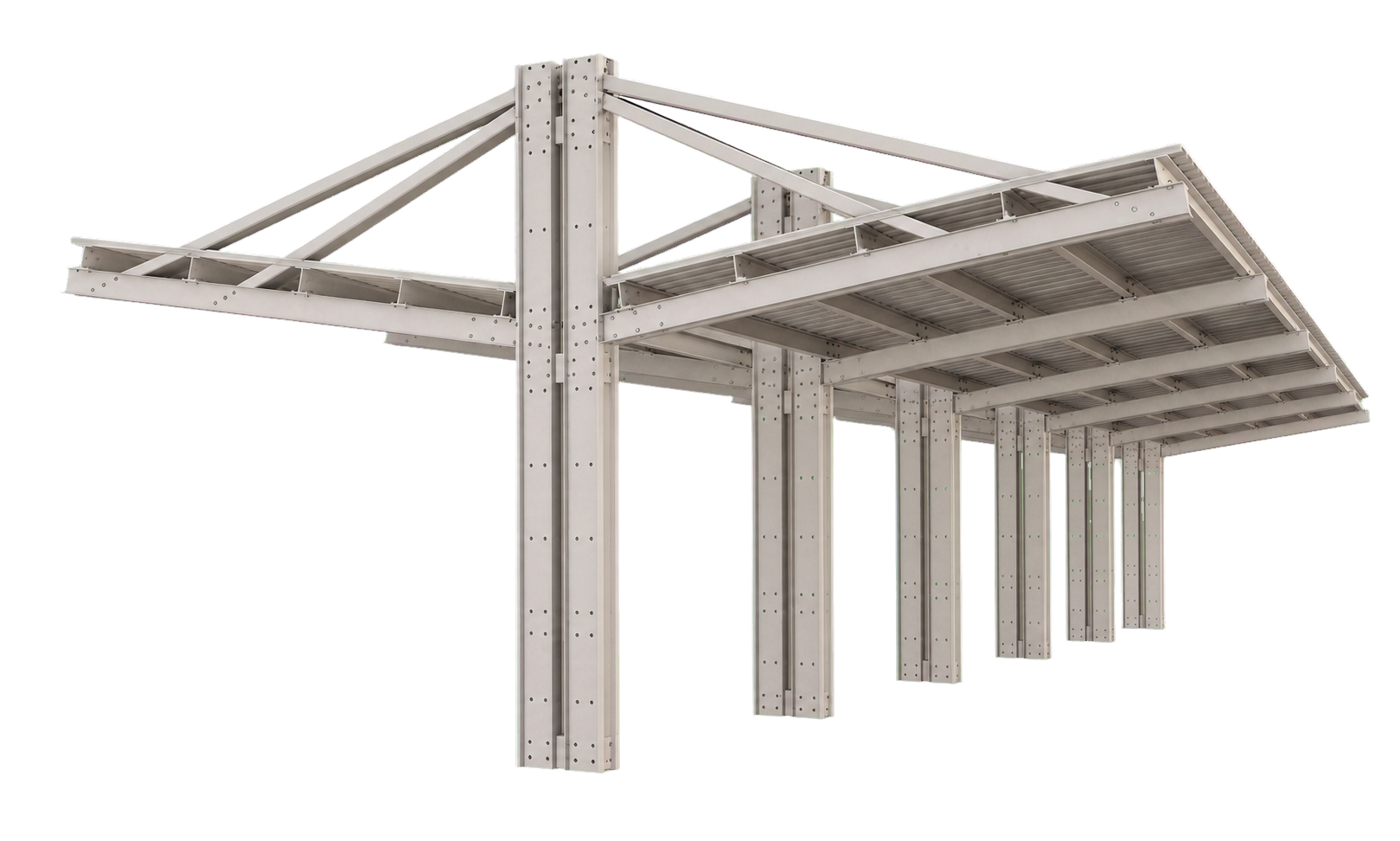
Find out more
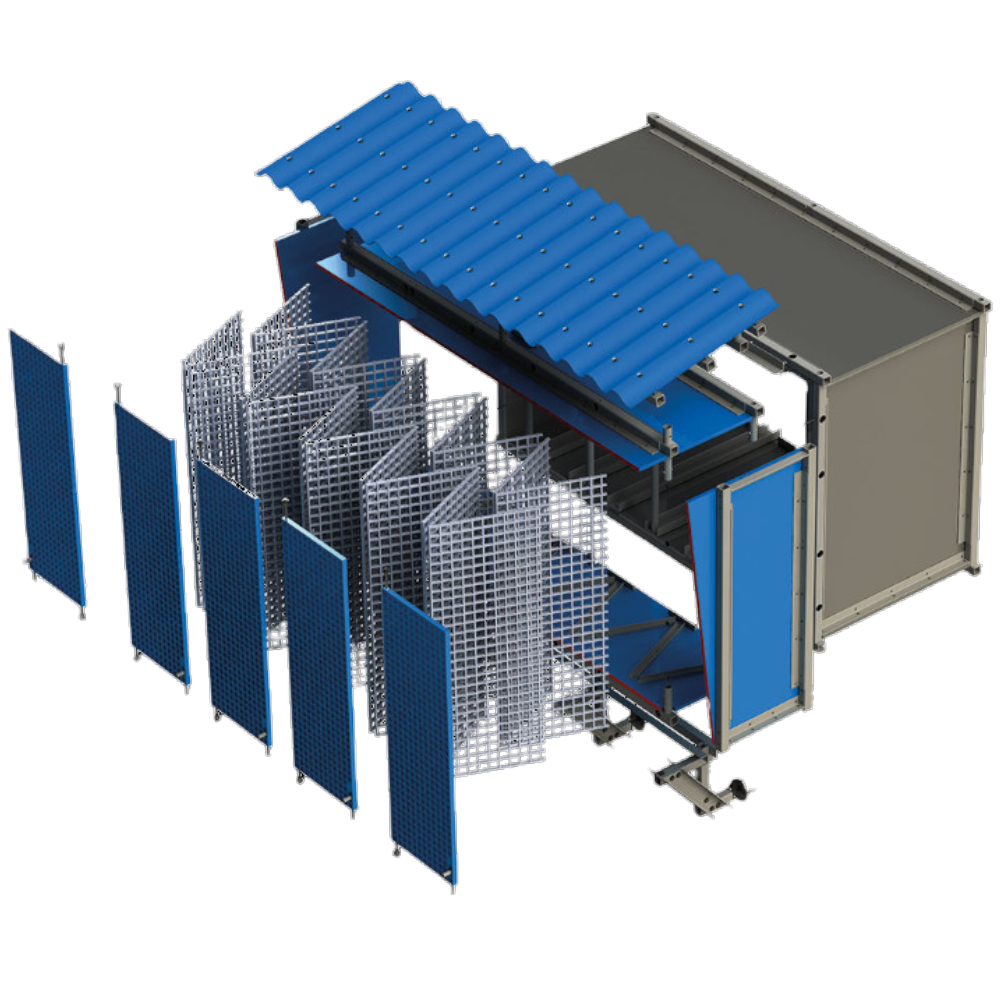
Consultancy, planning, design and implementation – all from a single source.
Why GRP?
High strength, low weight and durability – four material benefits for demanding applications.
Highly resistant to tensile, bending and impact loads.
Makes handling, transport and assembly easier.
For use in damp and corrosive environments.
For electrical and thermal applications.
What we make possible
GRP, short for glass-fibre-reinforced plastic, is a composite material consisting of a plastic matrix with glass fibres embedded within it. This combination gives GRP high strength and durability, whilst also making it lightweight and highly resistant to corrosion. The plastic – often a polyester, epoxy or vinyl resin – binds the glass fibres, which increase the material’s mechanical strength. Thanks to its versatile properties, GRP is used in a wide range of industries.
View all solutions
Frequently asked questions
Answers to key questions about the material, its benefits and potential applications.
A GRP profile is a component made from glass fibre-reinforced plastic. Synthetic resin and glass fibres combine low weight with high strength, as well as excellent resistance to corrosion, weathering and chemicals.
GRP is a composite material consisting of a plastic matrix and embedded glass fibres. Polyester, epoxy or vinyl resins are frequently used.
GRP profiles offer high strength and durability, corrosion resistance, low weight, good insulating properties, weather resistance, adaptability and low maintenance requirements.
Typical areas of application include the construction sector, the automotive industry, electrical engineering, offshore applications, railway systems, the chemical industry and other infrastructure facilities.
The choice depends on the geometry, load, environment, resin system and machining process. Please do not hesitate to contact us if you have any questions.
Your project
Do you have any questions about our products or the various ways they can be used? We’d be happy to advise you!
Discuss the project