Corrosion-resistant
Moisture, salt and many chemicals do not corrode GRP. This extends its service life and reduces the need for coating and maintenance.

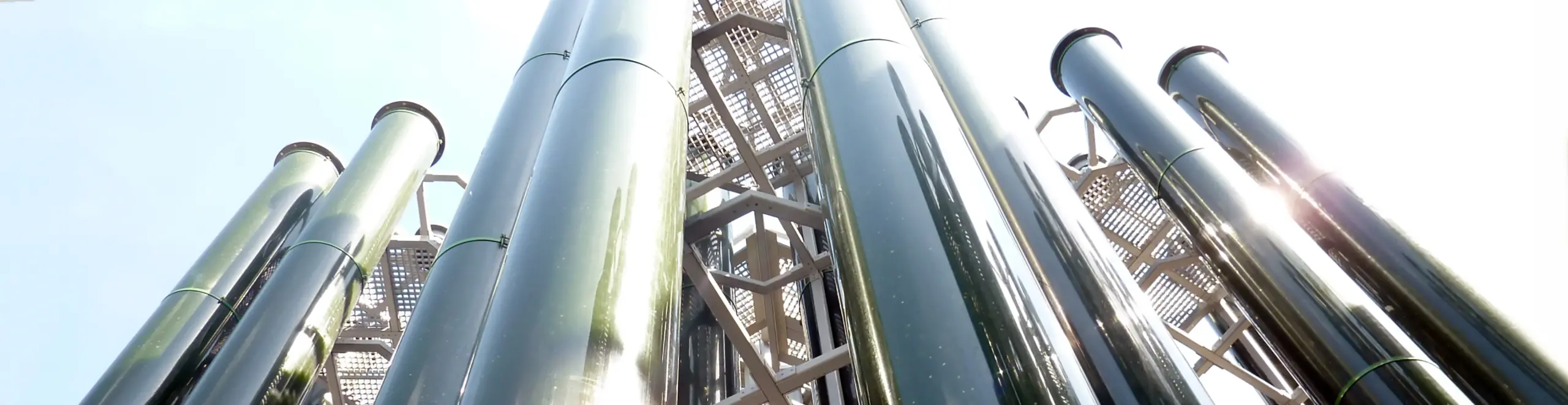
GRP for demanding applications
Every industry has different requirements in terms of materials, design and operation. Fibrolux combines a wide range of standard GRP profiles with bespoke profiles, machining and engineering. This results in lightweight, corrosion-resistant and electrically insulating solutions that are tailored to the specific application, from the initial design right through to delivery ready for installation.
An overview of the sectors
Select your area of application and find out which profiles, grating, components and structures are suitable for your requirements.

Lightweight façades, grating and profiles for durable structures offering design flexibility – corrosion-resistant and easy to plan with precision.

Electrically insulating, lightweight components for platforms, track systems and rolling stock – weather-resistant and requiring minimal maintenance over the long term.
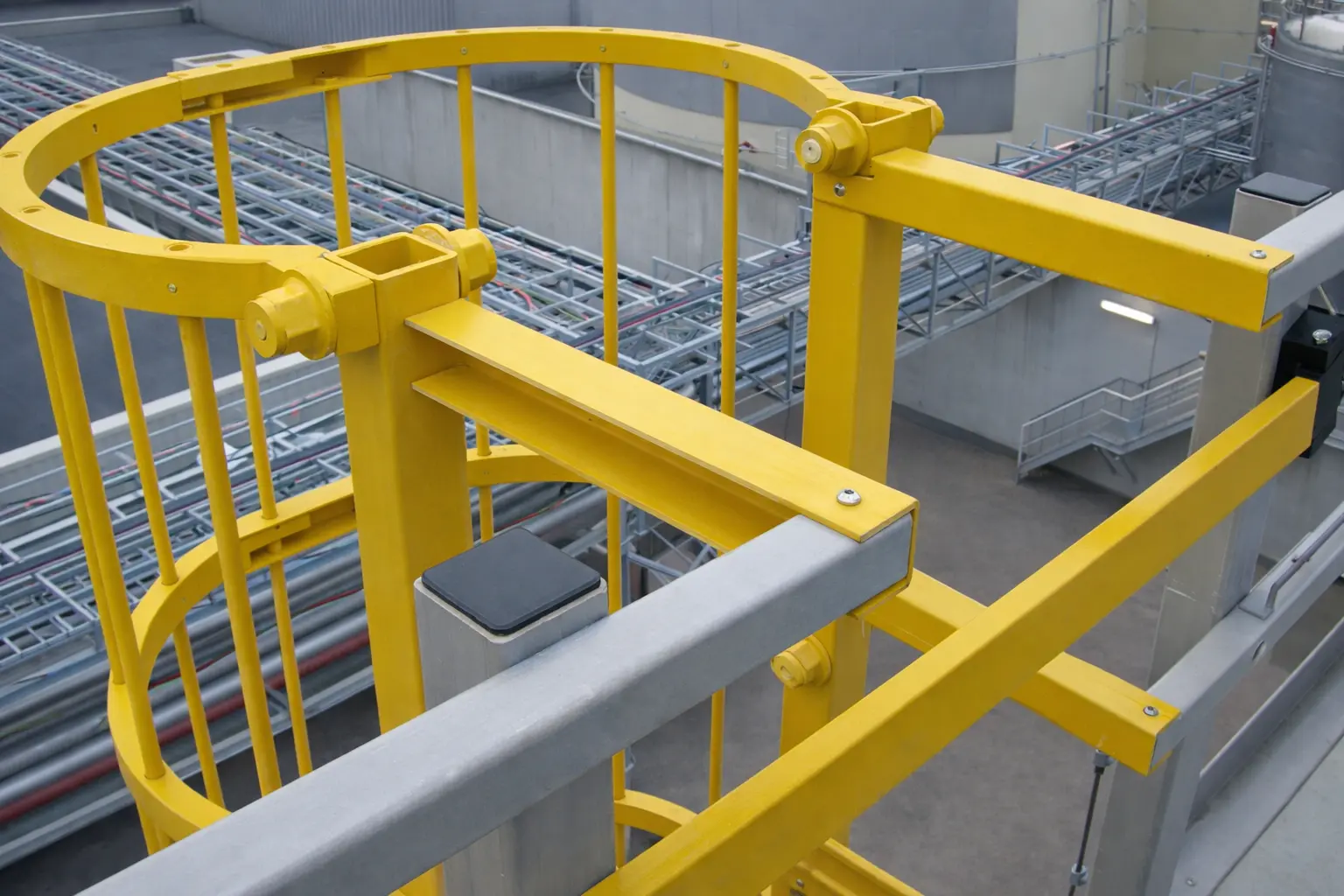
Profiles, grating and structures for corrosive media, high safety requirements and a reliably long service life.

Electrically insulating profiles and components for control cabinets, plant engineering and sensitive environments with high safety requirements.

Weather-resistant GRP components for wind, solar and energy installations – lightweight, insulating and designed for outdoor use.

Weight-optimised profiles and components for vehicles and transport solutions – strong, dimensionally stable and cost-effective to machine.
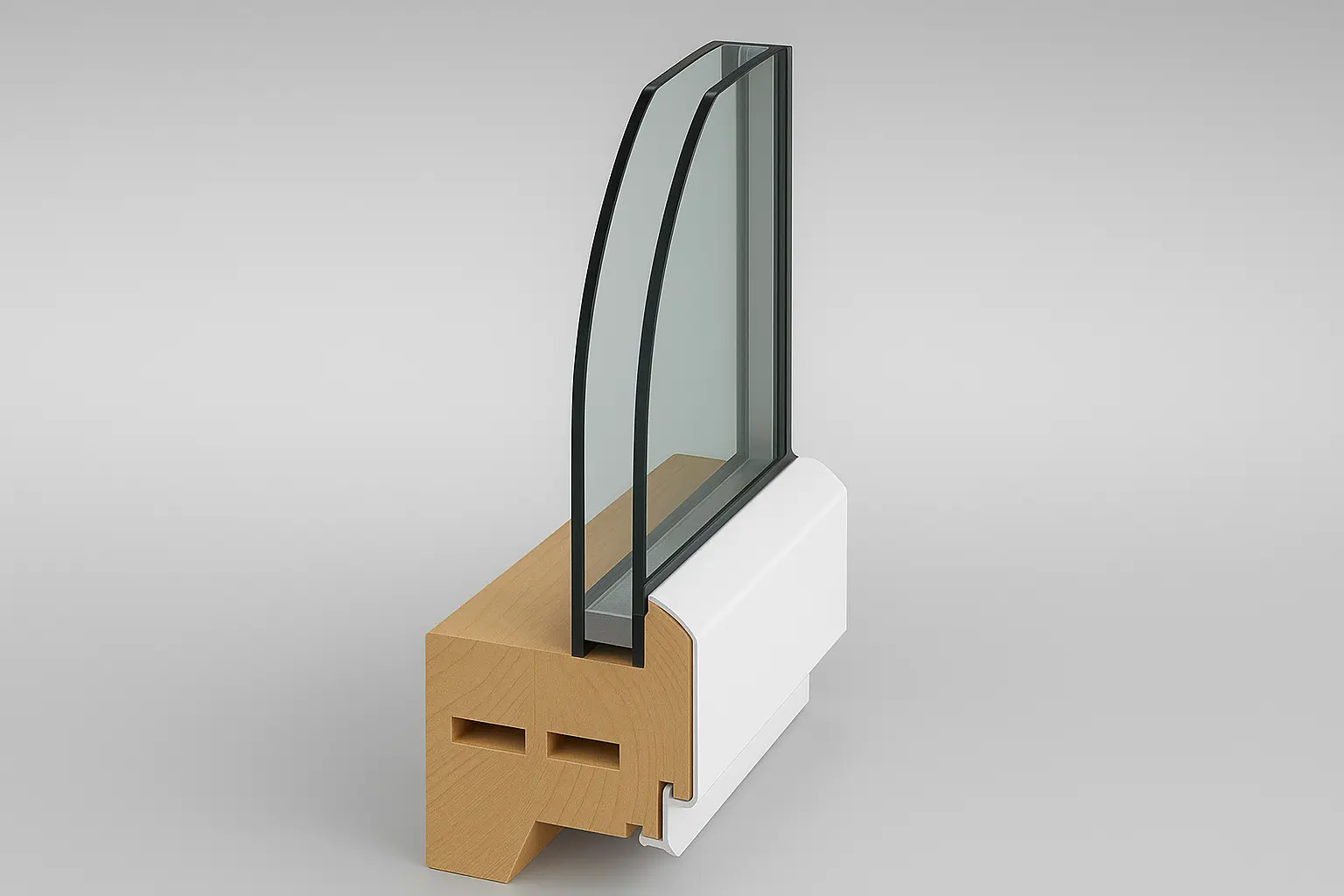
Thermally broken, dimensionally stable GRP profiles for energy-efficient frames, reinforcements and durable system solutions.
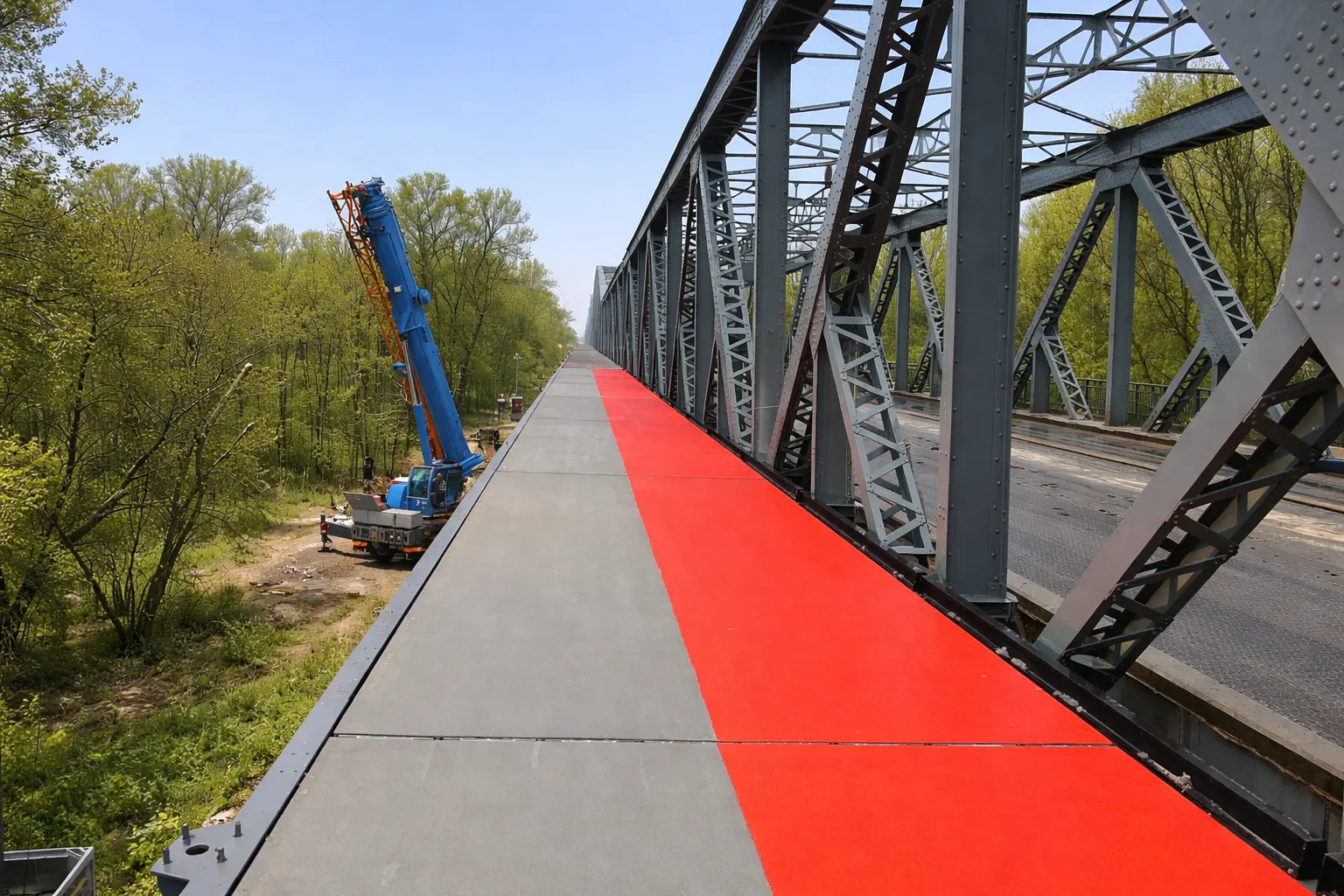
Durable components for bridges, paths, station platforms and public facilities – quick to install and resistant to the elements and de-icing salt.

Non-conductive, corrosion-resistant cable support systems for industry, energy and infrastructure – reliable even in demanding environments.

Moisture- and chemical-resistant profiles, grating and support structures for cooling towers, requiring minimal maintenance.

Robust, easy-to-clean GRP solutions for livestock housing, animal husbandry and agricultural machinery – resistant to moisture and corrosive substances.
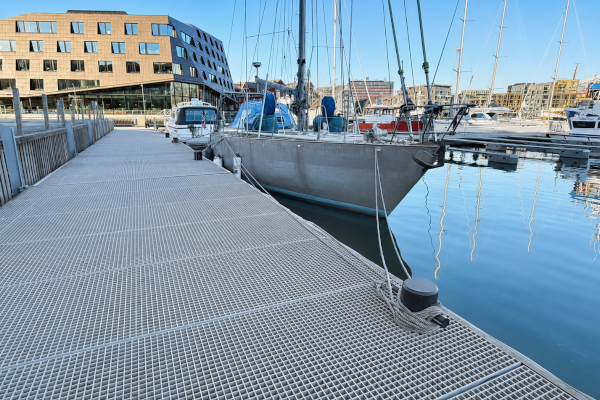
Non-slip grating, profiles and structures for jetties and harbour areas – saltwater-resistant and permanently safe.

Lightweight, corrosion-resistant components for platforms and offshore installations – designed to withstand salt, wind and heavy loads.

Lightweight, durable GRP sheet piling for riverbanks, hydraulic engineering and edging – easy to handle and permanently corrosion-free.

Radio-transparent, electrically insulating profiles and enclosure solutions for network expansion, antenna technology and sensitive infrastructure.

GRP gratings, handrails, ladders and support structures for sewage treatment works and waterworks – low-maintenance in permanently damp environments.
Advantages of the material
GRP comes into its own where moisture, chemicals, weight or electrical safety push conventional materials to their limits.
Moisture, salt and many chemicals do not corrode GRP. This extends its service life and reduces the need for coating and maintenance.
Its low weight makes transport and installation easier, without compromising on the necessary mechanical stability.
Non-conductive components enhance safety in energy, railway and electrical applications and prevent unwanted current paths.
Profiles, resin systems and machining processes are tailored to the loads, environmental conditions and installation requirements – from standard components right through to custom designs.
Typical requirements
Corrosion, weight, electrical safety and maintenance requirements determine which profile, grating or structure is suitable.
View GRP products
From the problem to the solution
Our specialists take into account not only the component itself, but also loads, media, temperature, standards and the subsequent assembly.
Jointly clarify the operating environment, loads and functional requirements
Select the profile, fibres and resin system to suit the application
Planning geometry, connections and machining in a practical way
Implementing everything from standard profiles to ready-to-assemble sub-assemblies
Frequently asked questions
Answers to key questions about materials, products and the development of industry-specific GRP solutions.
GRP is used wherever corrosion, weight, electrical insulation or maintenance requirements are key considerations. Typical sectors include the chemical industry, rail, electrical engineering, renewable energy, infrastructure, water management, offshore, vehicle manufacturing and architecture.
Glass-fibre-reinforced plastic does not rust and is resistant to many chemicals, moisture and salt water. This often eliminates the need for costly coatings. Profiles, grating and structures have a long service life and require significantly less maintenance during operation.
The range extends from standard GRP profiles and pipes, through GRP gratings, panels and structural elements, to access solutions, handrails, ladders and complete assemblies.
Yes. If standard products are not sufficient, Fibrolux develops custom GRP profiles and bespoke design solutions. Engineering, material selection, dimensioning, machining and delivery ready for installation can all be provided from a single source.
GRP combines low weight with high specific strength, corrosion resistance and electrical insulation. Compared with steel, this makes transport and installation easier; compared with metallic materials, GRP can reduce the need for coatings and regular maintenance in corrosive environments.
Yes. To ensure a robust solution, we take into account mechanical loads, media, temperature, fire safety, electrical requirements and the installation conditions. On this basis, our experts provide support with profile selection, resin systems, design and production-friendly implementation.
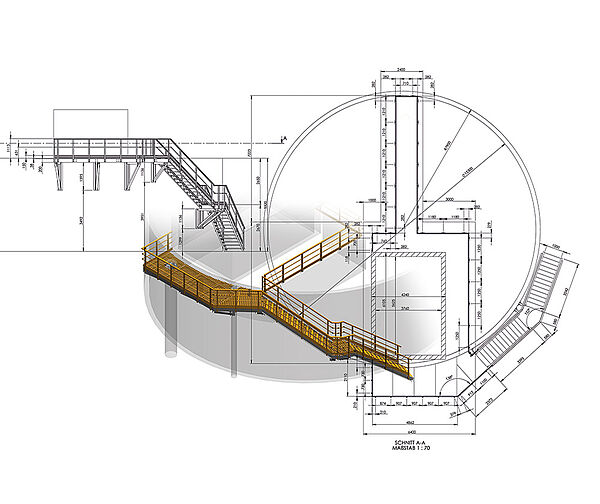
Your application
Please describe the operating conditions, loads and objectives to us. Together, we will find the most cost-effective and technically suitable solution.
Discuss the application